Web cookies (also called HTTP cookies, browser cookies, or simply cookies) are small pieces of data that websites store on your device (computer, phone, etc.) through your web browser. They are used to remember information about you and your interactions with the site.
Purpose of Cookies:
Session Management:
Keeping you logged in
Remembering items in a shopping cart
Saving language or theme preferences
Personalization:
Tailoring content or ads based on your previous activity
Tracking & Analytics:
Monitoring browsing behavior for analytics or marketing purposes
Types of Cookies:
Session Cookies:
Temporary; deleted when you close your browser
Used for things like keeping you logged in during a single session
Persistent Cookies:
Stored on your device until they expire or are manually deleted
Used for remembering login credentials, settings, etc.
First-Party Cookies:
Set by the website you're visiting directly
Third-Party Cookies:
Set by other domains (usually advertisers) embedded in the website
Commonly used for tracking across multiple sites
Authentication cookies are a special type of web cookie used to identify and verify a user after they log in to a website or web application.
What They Do:
Once you log in to a site, the server creates an authentication cookie and sends it to your browser. This cookie:
Proves to the website that you're logged in
Prevents you from having to log in again on every page you visit
Can persist across sessions if you select "Remember me"
What's Inside an Authentication Cookie?
Typically, it contains:
A unique session ID (not your actual password)
Optional metadata (e.g., expiration time, security flags)
Analytics cookies are cookies used to collect data about how visitors interact with a website. Their primary purpose is to help website owners understand and improve user experience by analyzing things like:
How users navigate the site
Which pages are most/least visited
How long users stay on each page
What device, browser, or location the user is from
What They Track:
Some examples of data analytics cookies may collect:
Page views and time spent on pages
Click paths (how users move from page to page)
Bounce rate (users who leave without interacting)
User demographics (location, language, device)
Referring websites (how users arrived at the site)
Here’s how you can disable cookies in common browsers:
1. Google Chrome
Open Chrome and click the three vertical dots in the top-right corner.
Go to Settings > Privacy and security > Cookies and other site data.
Choose your preferred option:
Block all cookies (not recommended, can break most websites).
Block third-party cookies (can block ads and tracking cookies).
2. Mozilla Firefox
Open Firefox and click the three horizontal lines in the top-right corner.
Go to Settings > Privacy & Security.
Under the Enhanced Tracking Protection section, choose Strict to block most cookies or Custom to manually choose which cookies to block.
3. Safari
Open Safari and click Safari in the top-left corner of the screen.
Go to Preferences > Privacy.
Check Block all cookies to stop all cookies, or select options to block third-party cookies.
4. Microsoft Edge
Open Edge and click the three horizontal dots in the top-right corner.
Go to Settings > Privacy, search, and services > Cookies and site permissions.
Select your cookie settings from there, including blocking all cookies or blocking third-party cookies.
5. On Mobile (iOS/Android)
For Safari on iOS: Go to Settings > Safari > Privacy & Security > Block All Cookies.
For Chrome on Android: Open the app, tap the three dots, go to Settings > Privacy and security > Cookies.
Be Aware:
Disabling cookies can make your online experience more difficult. Some websites may not load properly, or you may be logged out frequently. Also, certain features may not work as expected.
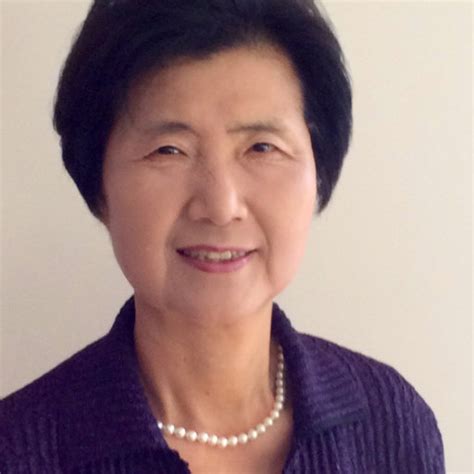
Dr. Chong Sook P. Sung served as director of the IMS Polymer Program from 1998 to 2002.
Dr. Chong Sook P. Sung, former director of the IMS Polymer Program and professor emeritus in the University of Connecticut’s Department of Chemistry, has made a generous $50,000 endowment to expand opportunities for polymer program students. The fund will provide support for conference travel and other professional development activities—experiences that can be pivotal in shaping early research careers.
For Dr. Sung, the gift is both practical and personal. Reflecting on her own path at UConn, she noted that standing out as a woman and an international scholar required creativity and persistence—especially when it came to building support for research.
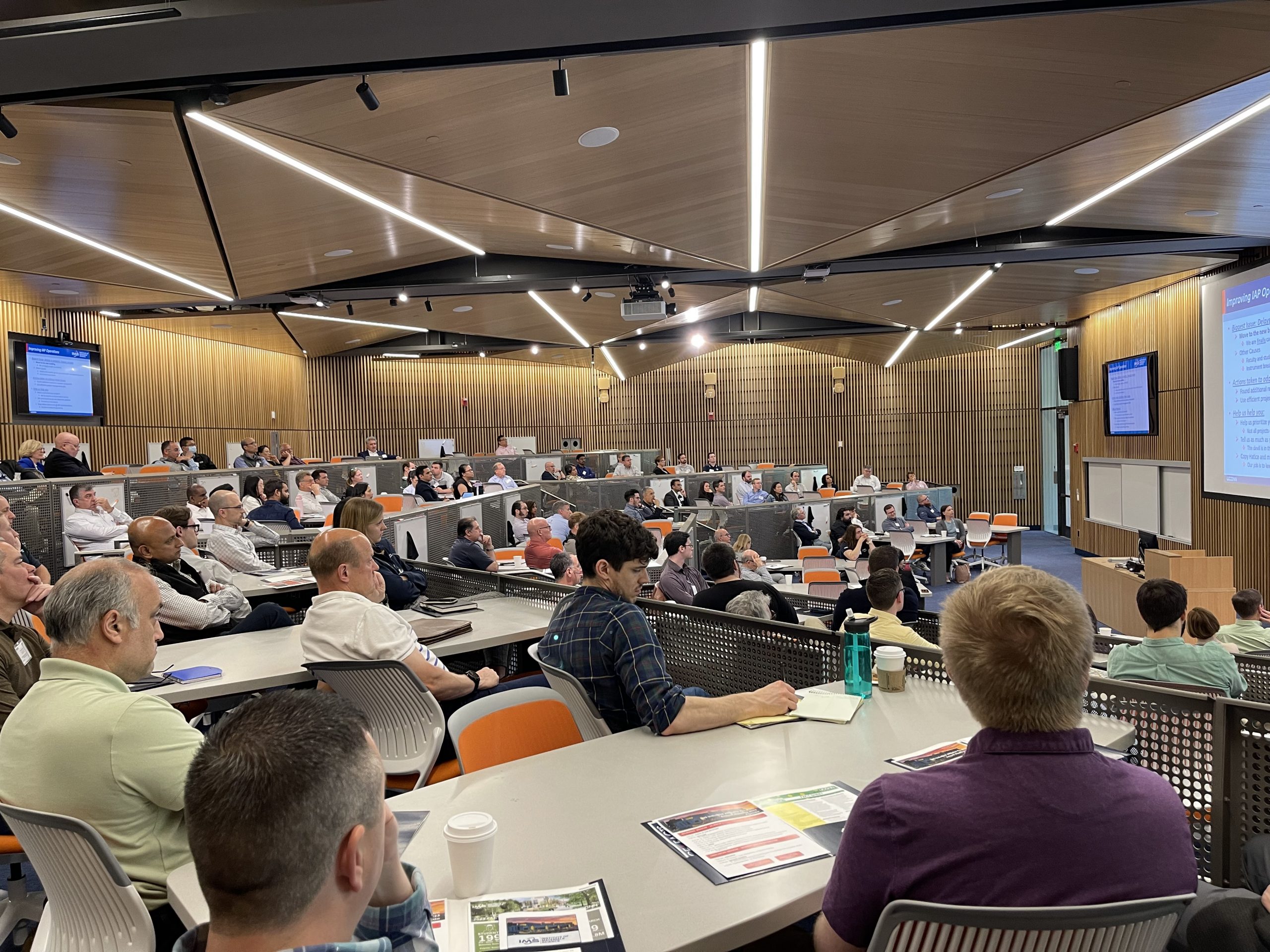
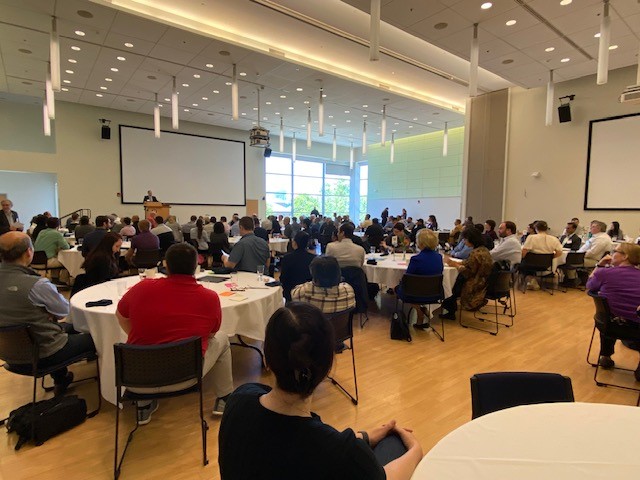
The morning session was held in the Science 1 Active Learning Classroom.
On May 25, 2023, the Institute of Materials Science (IMS) Industrial Affiliates Program (IAP) held its first in-person annual meeting since the onset of the COVID-19 pandemic in 2020.
The meeting began with a welcome message by Dr. Hatice Bodugoz-Senturk, Associate Director of the IMS Industrial Affiliates Program, followed by remarks by Dr. Steven L. Suib, Director of IMS, and Dr. Paul Nahass, Director of the IMS Industrial Affiliates Program. Dr. Bryan Huey, Department Head of Materials Science and Engineering (MSE) gave an overview of the MSE department and its achievements; and Dr. Kelly Burke, Director of the IMS Polymer Program, discussed the latest developments in polymer science.
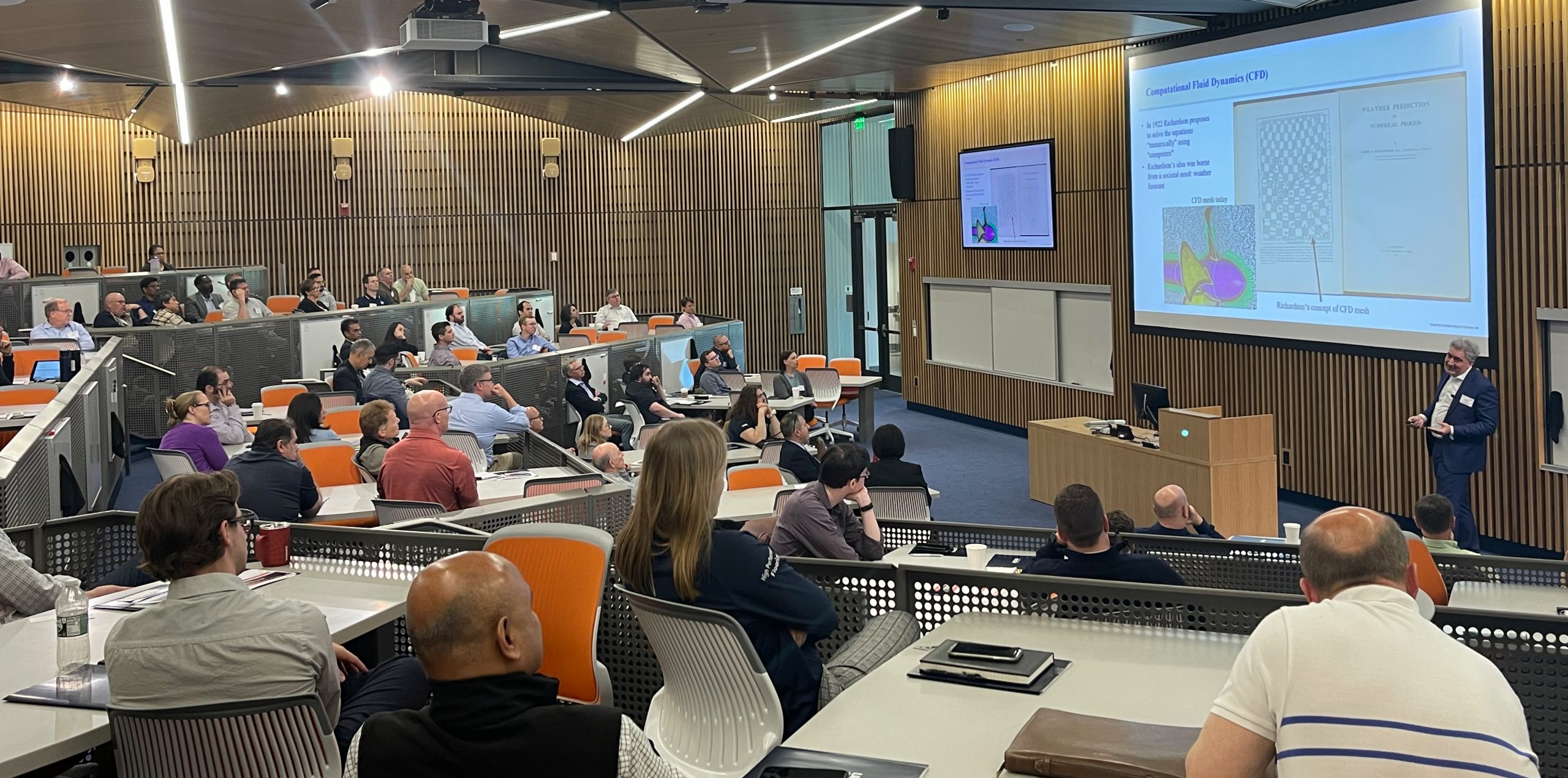
Dr. Georgios Matheou presents his research at the morning session of the 2003 Annual Meeting
The morning session featured three presentations by IMS faculty members from different departments. Dr. James “Nate” Hohman, Assistant Professor of Chemistry, talked about his research on experimental foundations for next-generation materials and interfaces, and how he uses big science, big data, and big AI to discover new materials for various applications. Dr. Georgios Matheou, Assistant Professor of Mechanical Engineering, presented his work on predictive modeling and simulation of multi-physics flows, and how he collaborates with industry partners in renewable energy, aerospace, and health care sectors. Dr. Vahid Morovati, Assistant Professor of Civil and Environmental Engineering, explained his theoretical framework to model the long-term mechanical behavior of elastomeric materials considering damage accumulation and degradation.
The luncheon session featured a keynote address by Dr. Anne D’Alleva, Provost and Executive Vice President for Academic Affairs, who shared her vision and goals for UConn’s academic excellence and innovation. She also highlighted the importance and impact of materials science and engineering in addressing the global challenges and opportunities in the 21st century. The luncheon concluded with closing remarks by Dr. Paul Nahass.
IMS Director Dr. Steven L. Suib addresses industry partners, faculty, and students at the 2023 Annual Meeting Luncheon
The meeting was attended by more than 100 participants from industry affiliates and external partners along with IMS faculty, students, and alumni. The meeting also showcased the annual Joint Poster Session by IMS Polymer Program and Materials Science and Engineering (MSE) students, demonstrating their projects and achievements in materials science and engineering. Industry partners were also given tours of core laboratories in the Science 1 building, the new home to IMS.
The IMS Industrial Affiliates Program provides materials characterization services to its industry partners. The program also facilitates collaborations between IMS faculty and students and industry partners on research projects of mutual interest.
The Institute of Materials Science is an interdisciplinary research institution that supports over 100 faculty members from 15 departments across UConn’s schools and colleges. The institute offers advanced degrees in polymer science and materials science, as well as state-of-the-art research facilities for its students and faculty to conduct research that is changing the future of materials science.
The IMS Polymer Program Awards committee has selected two awardees for the 2021 – 2022 academic year.
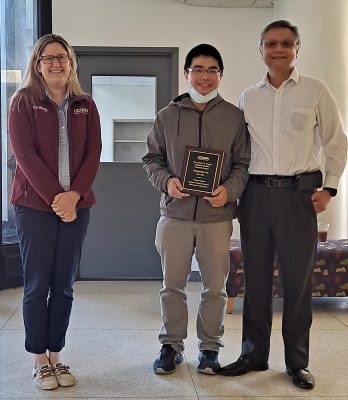
Chung Hao (center), winner of the Samuel J. Huang Graduate Student Research Award, with Polymer Program Director Kelly Burke (left) and advisor, Dr. Mu-Ping Nieh.
Chung-Hao Liu received the Samuel J. Huang Graduate Student Research Award. This award recognizes a graduate student for outstanding research in the field of polymer science and engineering. Chung-Hao completed is fourth year as a polymer PhD candidate under the guidance of Prof. Mu-Ping Nieh. He has been diligent in conducting advanced nanoscience research including materials characterization and designing polymer nanostructures. His efforts have resulted in two published journal articles, one currently in review, and contributions to many more. Chung-Hao has also made many collaborating efforts with other research groups and mentored undergraduate engineering students. Outside the lab, Chung-Hao has been an Society of Polymer Engineers, Storrs Chapter, committee member for 3 years, serving as both Vice President and President. His positive attitude and strong work ethics have made contributions to Prof. Nieh’s lab and the IMS research community.
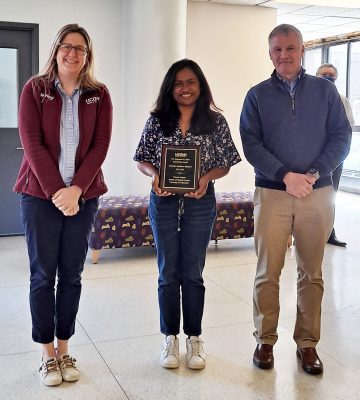
Probodha Abeykoon (center), winner of the Stephanie H. Shaw Fellowship Scholar Award, with Polymer Program Director Kelly Burke and advisor, Dr. Douglas Adamson.
Probodha Abeykoon has been recognized as this year’s Stephanie H. Shaw Fellowship Scholar. This award is designated for a female student showing academic achievement and contributions outside of research. Probodha has served as the leader of the Adamson Research Lab and has taken it upon herself to be the resident expert in several analytical techniques, such as four-point probe and thermal conductivity. She has two published papers and a third manuscript recently submitted. She has also presented her work at several ACS National Meetings. During the past 4 years Probodha has grown in into an excellent scientist and group leader.
The polymer program congratulates this year’s awardees with their tremendous efforts in both research and leadership in the IMS community.
Polymer Program student, John M. Toribio was awarded this year’s Student Scholarship from 100Plus, a US based organization that provides remote patient monitoring for chronic patients. Student applicants needed to submit a presentation answering the question, “How will remote patient monitoring technology advance in the future to provide better health for the patients?” John received a $2,000 prize.
John is a 2nd year Chemistry Ph.D. student in the Sotzing Research Group working on the development of wearable electronic devices for health applications as well as synthesis and applications of cannabinoid polymers.
Dr. Kelly Burke has been appointed Director of the IMS Polymer Program. She joined the UConn faculty in 2014 as Assistant Professor Chemical and Biomolecular Engineering with an appointment in the Institute of Materials Science. Since joining the faculty, she has received numerous grants and awards and was promoted to Associate Professor in 2021.
“Kelly brings a lot of new ideas, energy, and support for this program,” Dr. Steven Suib, Director of IMS, noted in announcing the appointment. She succeeds Dr. Luyi Sun in the position.
Polymer Program Alumnus, Dr. Christopher Simone (’02), is featured in an article by the American Chemical Society (ACS). Simone’s reflection on his 19-year career with DuPont addresses topics such as how to find success in research and development in the public sector.
Chris joined DuPont in 2002 as a research chemist developing new products and processes to support the Kapton® polyimide films and Pyralux® laminates portfolio within the DuPont Interconnect Solutions business. In his 19 year career, he has progressed within the research and development organization developing novel Kapton® films and associated process research for the flexible printed circuit industry. Read the full ACS article.
Dr. Ying Li is one of eight UConn faculty members, and three IMS faculty members, to receive a National Science Foundation Career CAREER Award in 2021. Li will develop a machine learning model to better understand the properties of a promising sustainable material.To learn more about the award Visit UConn Today.
Dr. Richard Parnas’s UConn spinoff company, REA Resource Recovery Systems, broke ground in March on a first-in-the-world, FOG-to-Biodiesel production plant at the John Oliver Wastewater Treatment Facility in Danbury, CT. The City of Danbury contracted with Veollia North America to perform a 70 million dollar plant upgrade, and the REA FOG-to-Biodiesel system is included in the overall project.
The REA system makes use of a licensed UConn patent for a novel biodiesel reactor developed by Parnas and colleagues several years ago. REA sponsors work at UConn to continue development efforts on several aspects of the process including novel methods of sulfur reduction using protein/polymer conjugate gel adsorbents.
Dr. Parnas retired in 2020 after 19 years as a Professor of Chemical and Biomolecular Engineering and faculty member of the Institute of Materials Science (IMS) Polymer Program.
After completing a Master’s Degree in Biochemistry from St. Josephs Arts & Science College in Bangalore, India, Deepthi Varghese joined the UConn Chemistry graduate program in the fall semester of 2014. After hearing brief research presentations from the chemistry departmental faculty, she became interested in Polymer Science with Prof. Douglas Adamson, an unexpected diversion from her initial plans for a career in biochemistry into a field in which she had no experience.
Although the lack of experience created a steep learning curve, Deepthi embraced this new research direction. While she faced challenges during the first two years, looking back, Deepthi says that she gained far more knowledge than expected, including polymer science, electro chemistry, and setting up scientific research laboratories.
Deepthi also struggled with many challenges regarding science including the fact that experiments are more likely to fail than succeed; science takes far more time than initially expected; and there is never enough time to accomplish everything. Lessons like this can be applied to all aspects of life, business, and art, as well as science.
In addition to the science, Deepthi has increased her knowledge of communications, independent learning, and keeping an open mind to feedback from all sources. She realized that you never know who will have valuable knowledge.
“Keeping an open ear and open mind allows you to learn from faculty, technicians, graduate students, and undergraduate students as well,” Deepthi says. She noted that undergraduates, especially those from outside disciplines, are also able to contribute bits of knowledge to the scientific challenges of the day.
Deepthi became involved with UConn organizations, the South Asia Community (Tarang) and the Graduate School Senate, where she was treasurer and president, respectively. This experience helped her learn organizational leadership.
Looking back on her graduate experience at UConn, Deepthi says that she grew as a scientist as well as a person. She had a number of unexpected experiences that changed her in many ways, all positive. In November, 2019, Deepthi started her professional career as a TD Etch Module Engineer at Intel, Hillsboro, Oregon.
NAI UConn Chapter members and inductees (Dr. Alexandru Asandei is 3rd from left, Dr. Richard Parnas is 4th from left).
IMS Polymer Program faculty members, Dr. Alexandru Asandei and Dr. Richard Parnas, were inducted into the UConn Chapter of the National Association of Inventors (NAI) in December 2019. The UConn NAI chapter was established in 2017 as the first Connecticut chapter of the national organization which was formed in 2010. The goal of NAI is to recognize and encourage academic inventors, enhance the visibility of academic technology and innovation, encourage the disclosure of intellectual property, educate and mentor innovative students, and translate the inventions of its members to benefit society.
Dr. Richard Parnas — whose research pursuits include biofuels production and separations, renewable polymers and composites, and interface engineering — holds a patent for a novel membrane that can be used to make biodiesel production more profitable by aiding the conversion of glycerol to 1,3 propanediol, a valuable platform chemical.
In 2018, Dr. Parnas and Trumbull, CT-based REA Resource Recovery Systems partnered with UConn and the Greater New Haven Water Pollution Control Authority (GNHWPCA) to place a pilot-scale demonstration system at the East Shore Water Pollution Abatement Facility in New Haven to convert brown grease to biodiesel fuel. The type of biodiesel fuel produced through this partnership, called Brown FOG (fats, oils, grease) can be used for power generation, including to power vehicles.
In May of 2019, U.S. Congresswoman Rosa DeLauro (CT-03) and former New Haven Mayor Toni Harp visited the joint UCONN/GNHWPCA/REA project at the East Shore facility to celebrate the successful performance of the demonstration system and to kick off the effort to place a full-scale commercial system at several wastewater treatment plants in the state. Dr. Parnas has since partnered with the city of Danbury on a project to create a biodiesel production facility at that city’s water treatment plant.
Dr. Alexandru Asandei’s research interests include controlled radical polymerization, block copolymers, fluoropolymers, catalysis, biodegradable polymers, and organometallic chemistry. He holds several patents related to his research in polymer science and has served as an editorial board member for the Journal of Polymer Science: Part A: Polymer Chemistry since 2009. Dr. Asandei has served as co-organizer of the American Chemical Society (ACS) Workshop on Fluoropolymers in 2016, 2018, 2020.
In 2015, Dr. Asandei completed a month-long visiting professorship at Pôle Chimie Balard in Montpelier, France. Asandei was selected for the Chaire TOTAL program which includes a visiting professor/researcher component, an International School on Sustainable Chemistry and Energy initiative, and a scholarship program. As part of the program, Asandei presented four invited lectures. While in France, Professor Asandei also made invited presentations at the University of Toulouse and the University of Grenoble. Dr. Asandei has been called upon to present his research at numerous conferences, universities, and industry organizations.
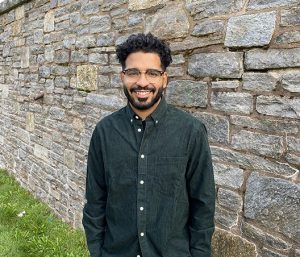 Polymer Program student, John M. Toribio was awarded this year’s Student Scholarship from 100Plus, a US based organization that provides remote patient monitoring for chronic patients. Student applicants needed to submit a presentation answering the question, “How will remote patient monitoring technology advance in the future to provide better health for the patients?” John received a $2,000 prize.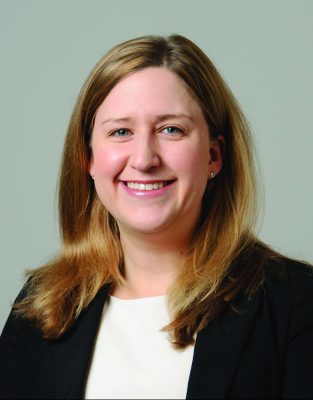

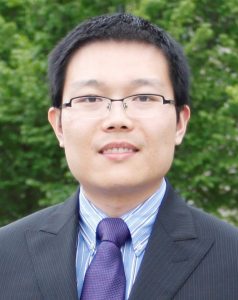 Dr. Ying Li is one of eight UConn faculty members, and three IMS faculty members, to receive a National Science Foundation Career CAREER Award in 2021. Li will develop a machine learning model to better understand the properties of a promising sustainable material.To learn more about the award