Web cookies (also called HTTP cookies, browser cookies, or simply cookies) are small pieces of data that websites store on your device (computer, phone, etc.) through your web browser. They are used to remember information about you and your interactions with the site.
Purpose of Cookies:
Session Management:
Keeping you logged in
Remembering items in a shopping cart
Saving language or theme preferences
Personalization:
Tailoring content or ads based on your previous activity
Tracking & Analytics:
Monitoring browsing behavior for analytics or marketing purposes
Types of Cookies:
Session Cookies:
Temporary; deleted when you close your browser
Used for things like keeping you logged in during a single session
Persistent Cookies:
Stored on your device until they expire or are manually deleted
Used for remembering login credentials, settings, etc.
First-Party Cookies:
Set by the website you're visiting directly
Third-Party Cookies:
Set by other domains (usually advertisers) embedded in the website
Commonly used for tracking across multiple sites
Authentication cookies are a special type of web cookie used to identify and verify a user after they log in to a website or web application.
What They Do:
Once you log in to a site, the server creates an authentication cookie and sends it to your browser. This cookie:
Proves to the website that you're logged in
Prevents you from having to log in again on every page you visit
Can persist across sessions if you select "Remember me"
What's Inside an Authentication Cookie?
Typically, it contains:
A unique session ID (not your actual password)
Optional metadata (e.g., expiration time, security flags)
Analytics cookies are cookies used to collect data about how visitors interact with a website. Their primary purpose is to help website owners understand and improve user experience by analyzing things like:
How users navigate the site
Which pages are most/least visited
How long users stay on each page
What device, browser, or location the user is from
What They Track:
Some examples of data analytics cookies may collect:
Page views and time spent on pages
Click paths (how users move from page to page)
Bounce rate (users who leave without interacting)
User demographics (location, language, device)
Referring websites (how users arrived at the site)
Here’s how you can disable cookies in common browsers:
1. Google Chrome
Open Chrome and click the three vertical dots in the top-right corner.
Go to Settings > Privacy and security > Cookies and other site data.
Choose your preferred option:
Block all cookies (not recommended, can break most websites).
Block third-party cookies (can block ads and tracking cookies).
2. Mozilla Firefox
Open Firefox and click the three horizontal lines in the top-right corner.
Go to Settings > Privacy & Security.
Under the Enhanced Tracking Protection section, choose Strict to block most cookies or Custom to manually choose which cookies to block.
3. Safari
Open Safari and click Safari in the top-left corner of the screen.
Go to Preferences > Privacy.
Check Block all cookies to stop all cookies, or select options to block third-party cookies.
4. Microsoft Edge
Open Edge and click the three horizontal dots in the top-right corner.
Go to Settings > Privacy, search, and services > Cookies and site permissions.
Select your cookie settings from there, including blocking all cookies or blocking third-party cookies.
5. On Mobile (iOS/Android)
For Safari on iOS: Go to Settings > Safari > Privacy & Security > Block All Cookies.
For Chrome on Android: Open the app, tap the three dots, go to Settings > Privacy and security > Cookies.
Be Aware:
Disabling cookies can make your online experience more difficult. Some websites may not load properly, or you may be logged out frequently. Also, certain features may not work as expected.
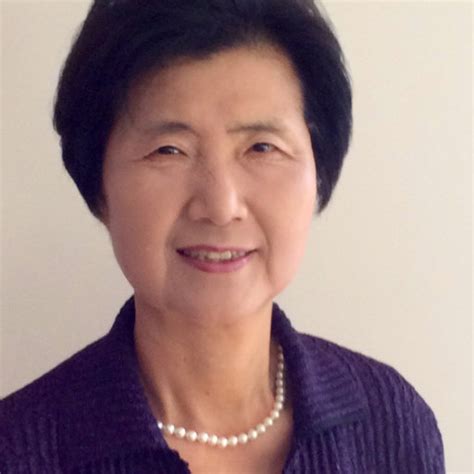
Dr. Chong Sook P. Sung served as director of the IMS Polymer Program from 1998 to 2002.
Dr. Chong Sook P. Sung, former director of the IMS Polymer Program and professor emeritus in the University of Connecticut’s Department of Chemistry, has made a generous $50,000 endowment to expand opportunities for polymer program students. The fund will provide support for conference travel and other professional development activities—experiences that can be pivotal in shaping early research careers.
For Dr. Sung, the gift is both practical and personal. Reflecting on her own path at UConn, she noted that standing out as a woman and an international scholar required creativity and persistence—especially when it came to building support for research.
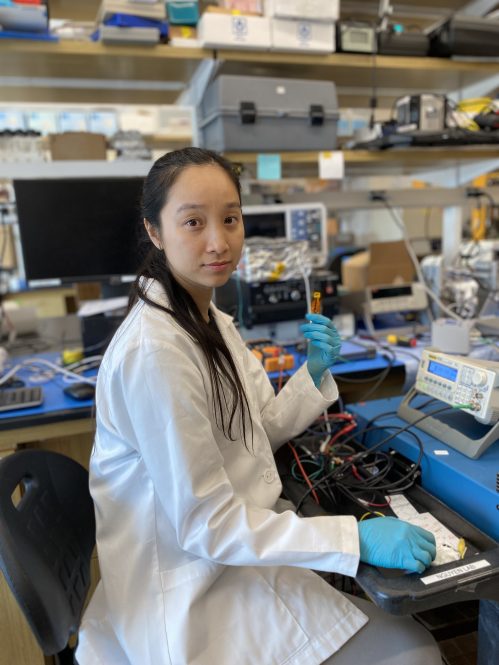
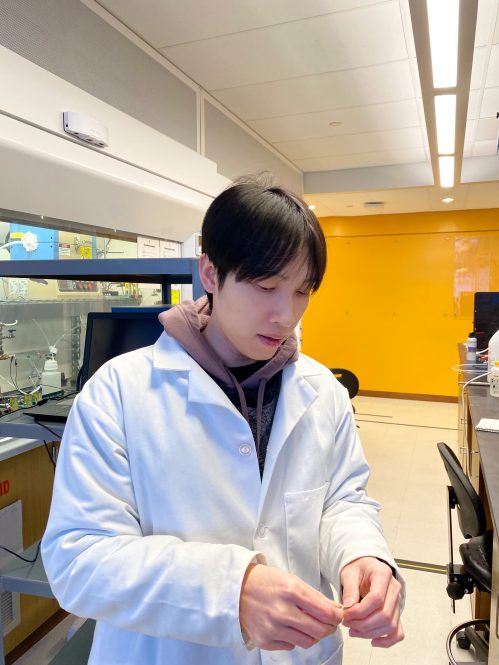
Postdoc Cao Thuy Giang NguyenPostdoc Hoang Quan Truong
When postdoctoral researchers Hoang Quan Truong and Cao Thuy Giang Nguyen arrived at UConn in the spring of 2025, they brought with them more than technical expertise. They carried a global perspective shaped by years of international experiences and a common goal of improving lifesaving treatments around the world.
UConn’s international research community plays a vital role in driving this work forward. Through the J-1 Exchange Visitor Program, scholars like Giang and Quan bring diverse experiences and ideas to campus, strengthening interdisciplinary collaboration. Originally from Vietnam, the married couple completed their Ph.D. programs in South Korea before spending a year as postdoctoral researchers at the University of Massachusetts Lowell. These experiences broadened their scientific outlook and prepared them for the collaborative research environment they were seeking next.
That search led them to the Nguyen Research Group under Thanh Nguyen, an associate professor in the College of Engineering’s School of Mechanical, Aerospace, and Manufacturing Engineering. The pair were drawn to the Nguyen Group’s innovative approach and diverse group of researchers, looking for a place that would provide strong industry connections and a supportive environment. At the intersection of biomaterials, nano/micro-technology, and medicine, this would be the perfect place to build upon seven years of prior research for Giang and Quan.